

- Article
- Running a business
- Improve Efficiency
Removing barriers for disabled entrepreneurs: Umbreen’s story
Umbreen David is Founder and Managing Director of Hoama Group, which operates a nursing home in Kent, and the first speaker at HSBC’s inaugural DFCE webinar, Building Success Without Limits: Disabled Entrepreneurs in Business. Umbreen shares practical, low-cost ways to reduce barriers for disabled entrepreneurs in what’s a compelling business case for providing fair access to finance networks.
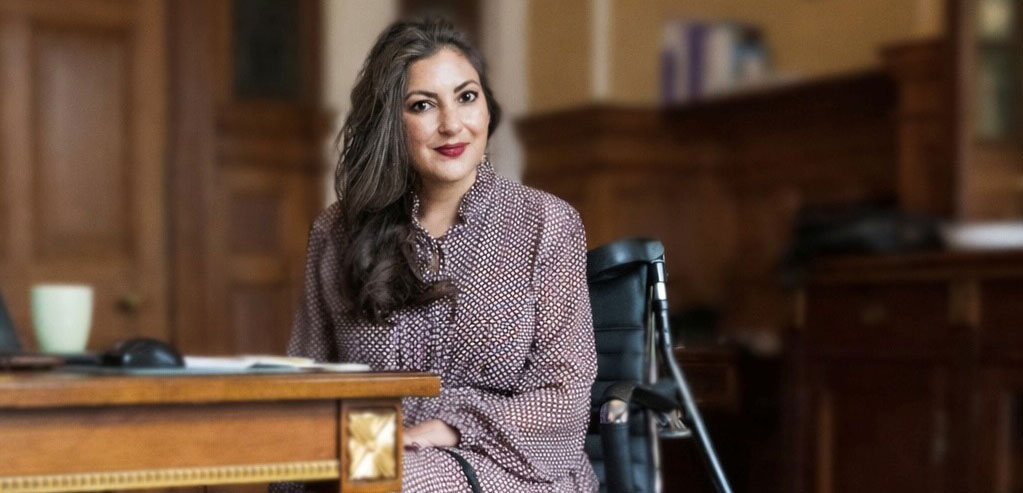
About Umbreen
With more than 30 years’ experience in health and social care, Umbreen knows the value of providing a platform for people to share their lived experience – including her own experiences of living with Charcot-Marie-Tooth disease (CMT), a progressive condition that causes muscle weakness, alongside acquired hearing loss.
A Lilac Review advocate and the 2025 Stelios Award for Disabled Entrepreneur winner, Umbreen is a prominent and influential champion for disability leadership and innovation.
“Getting in the room” – a barrier that isn’t always seen
During her talk, Umbreen highlights the effort it takes simply to attend meetings and events. Accessibility checks around the venue layout, stairs, doors and parking take time and energy — and every barrier creates a “perception cost” where needing adjustments is dismissed as poor preparation, rather than a normal part of inclusive working.
As Umbreen puts it: “Exclusion doesn’t need intent. It just needs a lack of thought.”
When banking gets it right
There is clearly a long way to go, but Umbreen points out how small, thoughtful actions can quickly remove barriers in banking specifically — like confirming access arrangements in advance, or a relationship manager meeting a client at home for a know-your-client interview and account opening.
What needs to change in banking
Umbreen outlines the most practical steps banks and financial institutions still need to take:
- Making electronic signatures the default to reduce reliance on wet signatures and in-person document handling.
- Confirming accessible venues end-to-end, with checks built into planning and a named contact if anything changes.
- Increasing visible disabled representation at all levels.
- Being transparent about Equality, Diversity and Inclusion commitments, so disclosure feels safe and fair.
- Creating mentoring and peer forums for disabled founders, led by people with lived experience.
- Co-designing services and environments with disabled users across digital, physical and end-to-end journeys.
- Protecting relationship banking, where a named person can understand context and advocate internally.
Her message is clear: disabled leadership should be recognised as commercially powerful, and organisations should stop missing the growth that comes with it. It's about unlocking talent, growth and economic potential that's too often neglected.