

- Article
- Running a business
- Improve Efficiency
Accessible banking for a fast-paced family business: Phil’s story
As a founding signatory of the Disability Finance Code for Entrepreneurship, HSBC UK is committed to helping remove barriers and improve access to finance for disabled entrepreneurs.
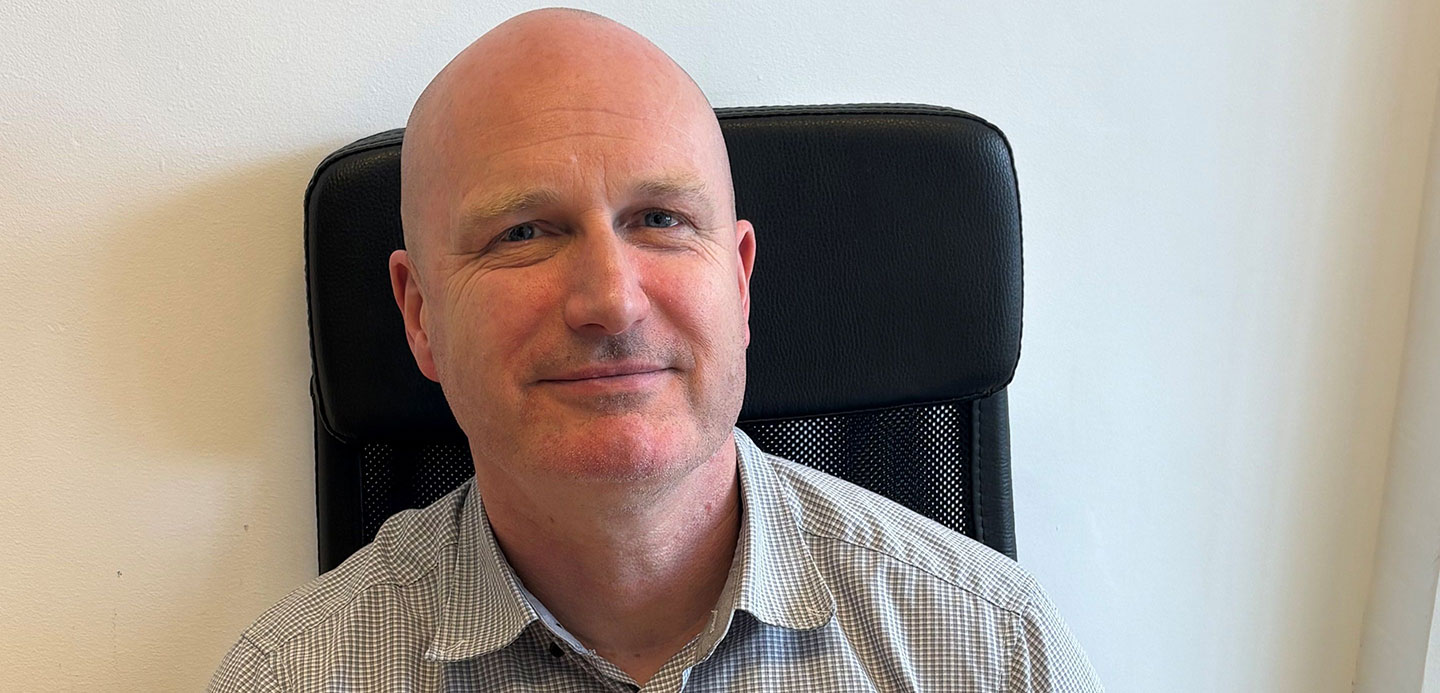
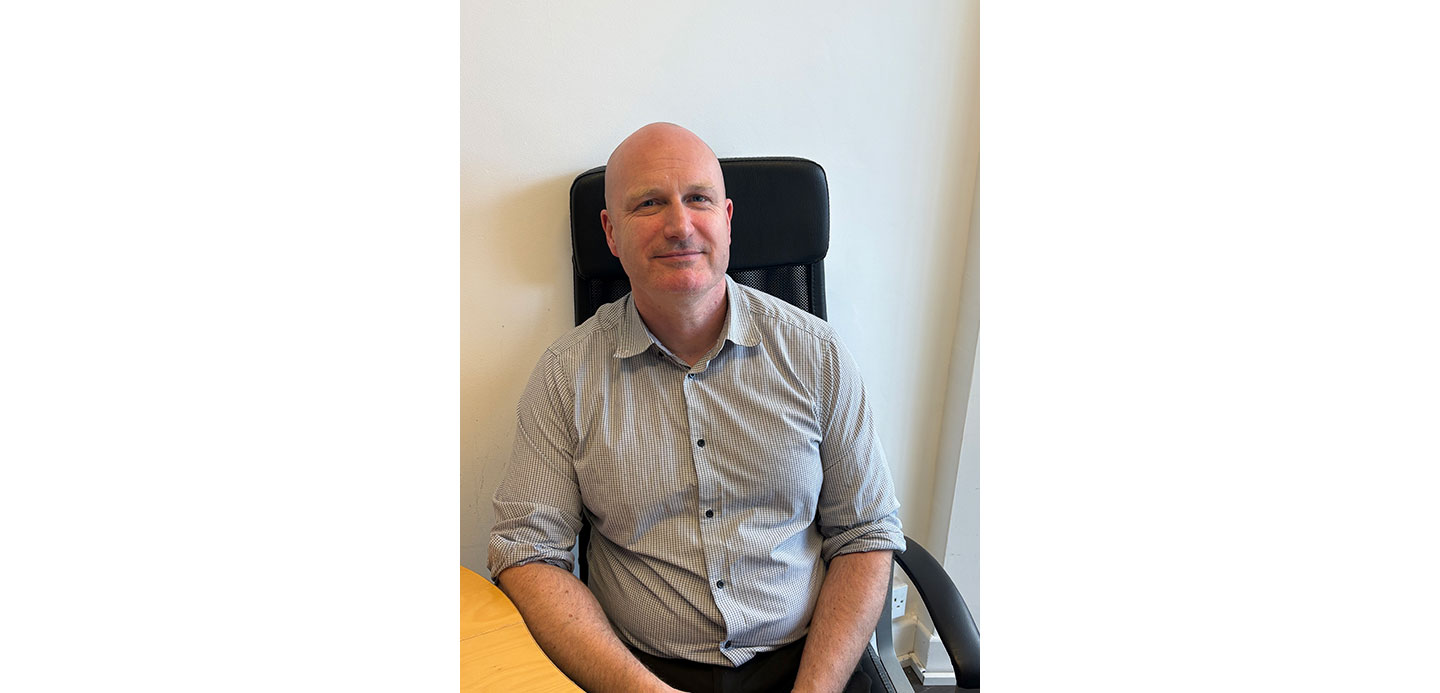
Phil King, co-founder of King & Co Properties in South Birmingham, shares how HSBC’s long-term support - and the right tools and options for digital banking - can help remove barriers for customers with sight loss, building confidence, independence and control when managing day-to-day business finances.
When did you first start banking with HSBC?
My first experience of HSBC goes back to when it was Midland Bank. I was 22 and my brother was 17 when we launched our first business - a fitness centre - in 1995. HSBC was the first bank to back us, and that early support helped us get off the ground. We opened with funding through The Prince’s Youth Business Trust, and later sold the business in 2000.
What kind of support did HSBC give you in those early days?
We had regular meetings with our bank manager, and it wasn’t just about funding. They gave practical guidance, supported our ideas (like expanding the gym), and also helped keep us grounded when we needed it. One example still makes me smile: they talked us out of a not-so-essential “promo vehicle” idea - a dune buggy - which felt brilliant at the time, but probably wasn’t the wisest use of money.
What do you do now, and what does your business need from a bank?
Since 2013, my brother and I have run King & Co Properties, an estate agency in South Birmingham. We cover student and residential lettings, buy-to-let portfolio sales, and end-to-end property management. We’re a team of six - five of us are family - and the student market makes our work fast paced, with frequent tenant turnover and lots of moving parts.
We manage multiple accounts for different purposes, including business, client, and ring-fenced deposit funds - so reliability and accuracy really matter. Integrity is central to how we work: we manage expectations carefully and deliver on our commitments. We’re building a family brand and legacy we’re proud of, and we take our duty of care seriously - especially supporting students as they transition into university life.
What’s your role in the business day to day?
My responsibilities focus on accounts, relationships, and maintenance management - making sure landlords, contractors, and third parties are paid on time, and that we keep strong long-term relationships through a personable, reliable service. Some tasks take me longer, but I’ve found that pace is often balanced by accuracy and attention to detail.
What makes day-to-day banking more challenging for you?
I’m registered blind due to a hereditary eye condition called Optic Atrophy, which I was diagnosed with at the age of seven. I have no central vision, limited peripheral vision, and what sight I do have is patchy and inconsistent. I can often detect objects, but I can’t see detail reliably - and that matters when you’re trying to check figures, references, and confirmations on-screen.
I also live with Charles Bonnet Syndrome, which can cause vivid visual hallucinations as the brain tries to fill in missing visual information. It can be disorientating - for example, thinking I can see something that isn’t actually there - and it reinforces why I need to be completely confident in what I’m verifying.
Because online banking involves checking lots of detail on-screen, it can take extra confidence to verify everything is correct - especially when transferring client money, where mistakes aren’t an option. Historically, I delegated most banking tasks to my business partner. It worked, but it created dependency and slowed processes.
Do people always understand what “registered blind” means in practice?
Not always. Because my eye condition isn’t immediately obvious, people can underestimate how limited my vision is. There can be a misconception that glasses are a simple fix, or that blindness means having no sight at all - whereas many people who are classed as blind still have some level of vision, just significantly impaired.
Are there tools you use to support you at work?
Yes - I use specialist software called ZoomText, which is a screen magnification tool that enlarges text and enhances on-screen clarity. It’s highly effective, but it can also make visual impairment more noticeable in shared environments, because only a small portion of the screen is visible at any one time. That can slow navigation and make it easier to lose your place - which again links back to the confidence needed when checking important financial details.
How did HSBC help when you told them about those challenges?
Once I had the courage to be open about what I was finding difficult, HSBC talked me through tools and options that could help me bank more independently online. That support could make a real difference day to day - reducing dependency, speeding up processes, and giving me more control over our finances.
What would you like banks to do more of for disabled entrepreneurs?
I’d love to see a dedicated point of contact for disabled entrepreneurs, so you don’t have to keep repeating personal information to different people and risk getting inconsistent answers. I also think banks should engage more directly with user groups and communities, so disability support is shaped by lived experience rather than a tick-box approach. It’s not about having representation for every disability internally - it’s about listening to experts and building support that’s credible and practical.
What advice would you give to other disabled people thinking about starting a business?
Know yourself, understand how your disability affects you, and be clear about what you need from the people around you. You’re the expert in your own experience - and being upfront can help others support you properly. We need more visible role models: people who take the leap and demonstrate what’s possible. Ultimately, I’m not seeking special treatment - just the same opportunities as everyone else, with the right support and adjustments to compete on a level playing field.
What keeps you banking with HSBC today?
Trust, really. HSBC supported us at the very start, and more recently they’ve helped me explore ways to bank with more independence. That combination of long-term relationship and practical support is a big reason we’ve stayed.